
3rd International Conference on History, Social Sciences, and Education (ICHSE)
“Oral History for Social Transformation: Inclusivity, Democracy, and Equality”
Department of History, Universitas Negeri Malang
August 5-6, 2026
In recent decades, oral history has emerged as a crucial methodological and epistemological approach for understanding social changes, amplifying marginalized voices, and fostering more inclusive narratives. In a rapidly changing world marked by climate crisis, widening social inequality, democratic challenges, and ongoing cultural transformations, oral history offers a powerful means to document lived experiences while supporting socially engaged and community-oriented scholarship.
Beyond its role in historical reconstruction, oral history contributes to a broader process of social transformation. By foregrounding personal testimonies and community knowledge, it promotes inclusivity, recognizes diverse identities and experiences, and strengthens democratic participation. Oral history also bridges academic research with public engagement, enabling collaboration among scholars, educators, practitioners, artists, activists, and local communities in producing more participatory and socially relevant knowledge.
At the same time, global challenges increasingly demand interdisciplinary approaches that connect historical inquiry with issues such as sustainability, food systems, heritage, education, human rights, and social justice. In this regard, oral history provides an important platform for understanding how global transformations are experienced, negotiated, and interpreted within local contexts.
The 3rd International Conference on History, Social Sciences, and Education (ICHSE) 2026 seeks to explore how oral history can respond to contemporary global challenges while remaining grounded in local realities. By bringing together researchers, educators, activist, artist, practitioners, and communities from diverse backgrounds, the conference aims to foster interdisciplinary dialogue and develop practical approaches for oral history to promote inclusivity, democracy, equality, and social transformations.
Theme and Sub-themes
The theme of the 3rd ICHSE 2026 is “Oral History for Social Transformation: Inclusivity, Democracy, and Equality.” And following sub-themes bellow:
Oral History, Climate Change, and Sustainability
Climate change and ecological crises are not only environmental phenomena but also lived experiences that reshape everyday life, livelihoods, and cultural practices. This sub-theme invites contributions that explore how oral history documents environmental memory, local ecological knowledge, and community resilience in the face of climate change. Panels or papers may examine food systems, agrarian transformation, resource conflicts, and sustainability practices, highlighting how community narratives offer alternative perspectives on environmental governance and development.
Public History, Heritage, and Arts
Oral history plays a vital role in public history initiatives, heritage preservation, and creative expression. This sub-theme welcomes discussions on how oral testimonies are mobilized in museums, exhibitions, community archives, digital platforms, and artistic practices. It encourages reflection on collaboration between scholars, artists, and communities in transforming memory into public engagement. Panels or papers may address participatory heritage projects, decolonizing archives, and innovative storytelling through visual arts, performance, or multimedia, emphasizing how oral history bridges academia and the public sphere.
Local Identity and Inclusivity
In diverse and plural societies, local identities are continuously negotiated through memory, tradition, and lived experience. This sub-theme explores how oral history amplifies marginalized voices, including minority, Indigenous, gendered, and other underrepresented communities. It invites critical engagement with issues of identity formation, intersectionality, belonging, and social exclusion.
Education and Pedagogy
Oral history offers transformative potential in educational settings by encouraging participatory learning and critical engagement with lived experience. This sub-theme focuses on the integration of oral history in history and social science education, curriculum development, and community-based learning. Panels or papers may explore experiential pedagogy, digital storytelling, intergenerational dialogue, and ethical research training.
Oral History and Social Transformation
As a dialogical and participatory practice, oral history has long been associated with social justice movements and community empowerment. This sub-theme invites papers that examine how oral history contributes to social transformation, advocacy, reconciliation, and collective healing. Panels or papers may explore memory activism, community-based research, and the role of testimony in reshaping public discourse.
Democracy and Human Rights
Oral testimony has played a significant role in documenting human rights violations, political repression, and democratic struggles across contexts. This sub-theme encourages critical reflection on the relationship between memory, democracy, and accountability. Topics of panels or papers may include transitional justice, trauma narratives, memory politics, and citizen participation.
Intersectionality and Methodological Innovation
Oral history continues to evolve in response to new theoretical debates and technological developments. This sub-theme invites panela and papers on methodological and epistemological reflections on ethics, positionality, collaboration, and power relations in oral history research. It also welcomes discussions on digital oral history, multimedia archives, and innovative participatory methods.
Aims
This conference aims to:
- Provide a platform for sharing research and practices on oral history and its role in promoting inclusivity, democracy, and social transformation in history, social sciences, and education.
- Foster international collaboration and build sustainable networks among researchers, educators, activist, artist, practitioners, and communities from diverse backgrounds.
Application List
This conference will be conducted over two days, consisting of:
Individual Panel Presentations
Individual submissions are welcome and will be organized into thematic panels by the conference committee. Each panel will consist of 3–6 presenters to encourage focused presentations and open discussion among participants from diverse institutional backgrounds. Please check to the submission guidelines to register.
Group Panel Presentations
Panels consist of a convener, 3-6 presenters and a discussant. In an effort to remain open for discussion and avoid pre-packed propositions, all panels should be open to presenters from outside the host institution/project of the convenor. Please check to the submission guidelines to register.
Roundtable discussions
Roundtables address current issues and new developments, consist of a convener and max. 6 participants, also a discussant who prepare brief statements followed by audience discussion. Please check to the submission guidelines to register.
Oral History Workshop
Oral History Workshop provides a practical session focused on methods, tools, and ethical considerations in oral history research, where participants also have the opportunity to present and discuss materials related to their own research in connection with the conference theme. Please check to the submission guidelines to register.
Masterclass
Masterclass offers an intensive learning session led by an experienced scholar or practitioner, designed to provide in-depth insights, methodological guidance, and interactive discussion for participants interested in advancing their research skills. Please check to the submission guidelines to register.
Participant
This category is open to students, researchers, and professionals who wish to engage in the academic discourse of history, social sciences, and education without presenting a paper. As a participant in this category, you will have full access to all plenary and parallel sessions, providing opportunities to network with international experts. To successfully complete the program and receive a certificate of participation, attendance at the Keynote Speaker’s sessions on both conference days is mandatory. Please check to the submission guidelines to register.
Important Dates
| Early Bird Registration | March 25 – April 20, 2026 |
| Regular Registration | April 21 – May 20, 2026 |
| Notification of Acceptance | May 30, 2026 |
| Payment and Submission Deadline | July 1, 2026 |
| Conference Date | August 5 – 6, 2026 |
Keynote Speakers
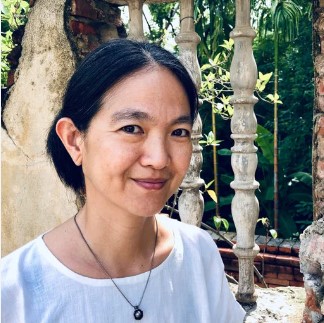
Prof. Dr. Diana Suhardiman
KITLV and Leiden University,
The Netherlands
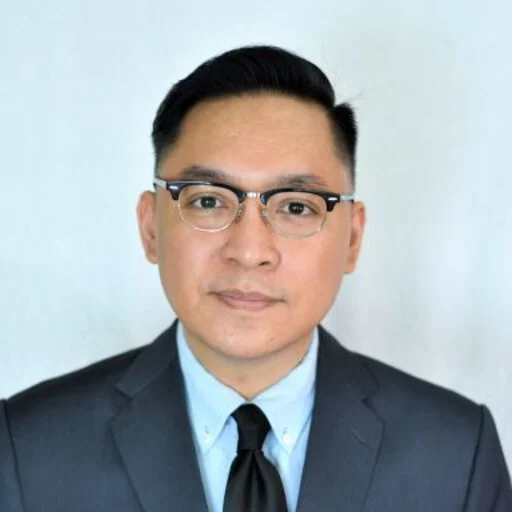
Assoc. Prof. Dr. Fernando Santiago Jr.
De La Salle University,
The Philippines

Assoc. Prof. Dr. Vannessa Hearman
Curtin University,
Australia

Asst. Prof. Aditya Nugroho Widiadi
Universitas Negeri Malang,
Indonesia
Publication Plan
Selected papers will be considered for publication in the international conference proceedings published by Atlantic Press, and a special edition of academic journal.
Get in Touch
Department of History
Faculty of Social Sciences
Universitas Negeri Malang
Website : ichse.um.ac.id
E-mail : [email protected]
Whatsapp : wa.me/6287865912146
Image : Mary Malone records Henry Higgs for the Woman’s Club oral history project from a Miami Herald article of June 19, 1975. Florida Keys History Center Collection.
Source : https://www.flickr.com/photos/keyslibraries/48986557233/in/photostream/